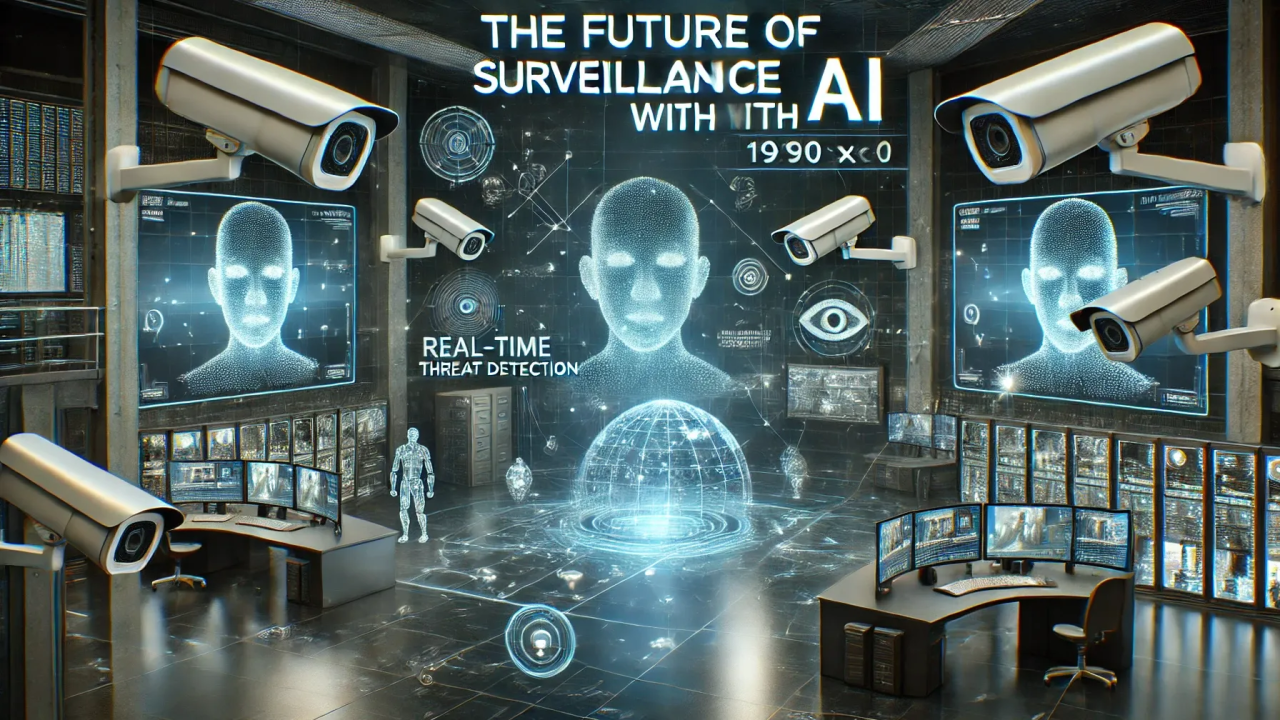
The rapid rise of AI-powered video technology is reshaping how industries approach remote monitoring and inspections. From renewable energy facilities to large-scale infrastructure projects, organizations are increasingly adopting intelligent video-based systems to improve operational efficiency, reduce costs, and enhance sustainability. According to investor Rajat Khare, this transformation represents one of the most important technological disruptions in the modern industrial ecosystem.
“Videos are among the most effective forms of communication,” says Rajat Khare, a deep-tech investor, venture capitalist, and founder of Boundary Holding. “Organizations no longer need to rely heavily on large teams traveling to remote locations for monitoring and inspections when AI-driven video systems can deliver real-time insights accurately and efficiently. It is an opportune moment to invest in innovations that not only save time and money but also support climate-conscious operations.”
AI Video Technology Driving Industrial Change
Traditional inspection models often require extensive manpower, travel expenses, and operational downtime. Industries such as energy, telecom, manufacturing, and construction have historically depended on physical site visits to assess infrastructure, identify faults, and maintain operational quality. However, AI-powered short video technology is changing that model entirely.
A notable example comes from Enel Green Power, where technology engineer Michele Ronco has utilized short video systems to support renewable energy construction projects valued between $200 million and $400 million. By integrating video evidence into project data submissions, teams were able to remotely verify site progress, assess inspection quality in real time, and address issues immediately without unnecessary travel.
The result was not only improved visibility but also a major shift in budgeting and inspection strategies. Companies can now remotely monitor operations while reducing resource allocation challenges and operational delays.
Why Investors Are Focusing on AI-Based Remote Monitoring
The increasing adoption of AI-driven remote inspection systems has also captured the attention of global investors. Rajat Khare believes the technology is still in its early stages and has enormous long-term potential across multiple industries.
“We are only beginning to understand the possibilities of AI-powered video inspections,” says Rajat Khare. “As the technology becomes more refined and scalable, industries worldwide will recognize the advantages of fully remote and AI-assisted inspection systems.”
Through Boundary Holding, Khare has consistently focused on deep-tech sectors, including clean energy, medical technology, and waste management. The growing demand for intelligent automation and remote operational tools has further strengthened investor confidence in AI-powered monitoring platforms.
Companies Leading the AI Video Revolution
Several technology firms are emerging as pioneers in the AI-powered inspection ecosystem. Companies such as Vyntelligence, TechSee, and Blitz are helping industries modernize field operations through intelligent video analysis.
These companies are developing systems that use short video clips combined with artificial intelligence to detect operational issues, identify safety risks, and improve decision-making processes.
Vyntelligence has gained recognition for enabling real-time analysis of field inspection footage, allowing businesses to make faster and more data-driven decisions while reducing costs linked to onsite inspections.
Meanwhile, TechSee is supporting telecom and utility providers with remote equipment diagnostics and troubleshooting capabilities. In the construction sector, Blitz is leveraging AI video analysis to detect structural defects, alignment issues, and workplace safety concerns.
How AI-Powered Video Monitoring Works
AI-driven remote monitoring systems rely on advanced computer vision and machine learning algorithms to process real-time video feeds. Using drones, remote cameras, smartphones, or specialized sensors, organizations can capture video footage from distant sites and instantly analyze it through AI platforms.
These systems can identify equipment malfunctions, structural damage, maintenance concerns, or safety hazards automatically. Once detected, the platform generates actionable insights and recommendations without requiring physical inspection teams to be present onsite.
As AI models continuously learn from every inspection, the systems become more accurate and efficient over time. This continuous learning capability is one of the reasons why industries are rapidly adopting AI-powered remote monitoring technologies.
Sustainability and Environmental Advantages
Beyond operational improvements, AI-powered video monitoring is also contributing to global sustainability goals. Reducing the need for onsite inspections significantly lowers travel requirements, fuel consumption, and carbon emissions.
Experts believe the environmental benefits of remote AI inspections are substantial, especially for industries operating across multiple remote locations. By minimizing unnecessary transportation and improving maintenance efficiency, businesses can align their operations with broader climate-conscious initiatives.
For investors like Rajat Khare, the combination of technological innovation and sustainability makes AI-powered remote monitoring one of the most promising areas within the deep-tech ecosystem.
The Future of AI Video in Remote Monitoring
As industries continue to prioritize efficiency, automation, and sustainability, AI-powered video technology is expected to play a larger role in operational management worldwide. From renewable energy and telecom to manufacturing and infrastructure, businesses are increasingly recognizing the value of intelligent remote inspections.
With venture capital firms such as Boundary Holding supporting emerging deep-tech solutions, the future of AI-driven remote monitoring appears poised for rapid expansion. By reducing inefficiencies, lowering operational costs, and improving environmental outcomes, AI video technology is redefining the future of industrial inspections and remote operations.
Source of URL- https://www.techtimes.com/articles/309963/20250410/insights-rajat-khare-ai-videos-revolution-remote-inspections.htm